Mastering Open-Concept Designs: Strategies for Seamless Living Spaces Jan 02, 2026
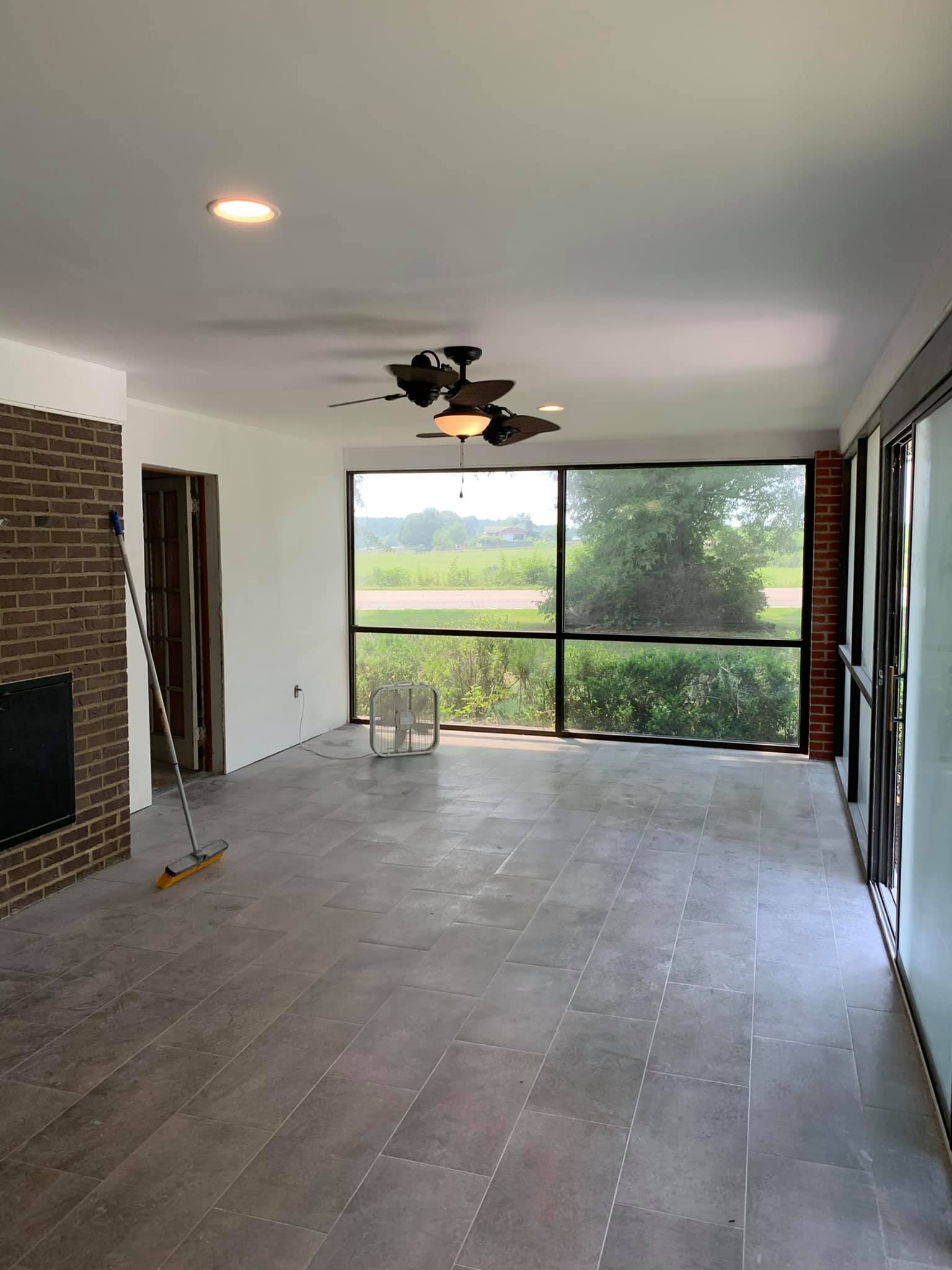
Open-concept designs can significantly enhance the feeling of space within your home, making even smaller areas feel larger and more interconnected. This design philosophy revolves around removing unnecessary walls and barriers, resulting in a continuous flow from room to room. By doing so, it encourages more natural light, improves traffic flow, and promotes social interaction.
One of the fundamental aspects of achieving a successful open-concept space is effective planning. Before any demolition begins, consider how each part of your home will function within the open layout. Visualize the activities in each space, from cooking in the kitchen to lounging in the living area, ensuring that the layout supports your family's lifestyle. Harmon Group recommends starting with the layout of furniture, as this will guide you in designating specific zones within the open space.
Incorporating versatile furniture is another key strategy. With an open floor plan, your choice of furniture serves multiple purposes, often acting as subtle dividers while maintaining the open feel. A well-placed sectional sofa or an island in the kitchen can delineate spaces without imposing on the room’s openness. Look for furniture pieces that blend functionality with aesthetics, complementing your interior design theme.
The importance of consistency in design cannot be overstated when it comes to open-concept spaces. Harmon Group suggests selecting a unified color palette and consistent flooring throughout the main areas to create visual harmony. Such consistency fosters a seamless transition between spaces while still allowing the distinct personality of each area to shine through. If you desire a splash of color or texture, consider incorporating accent walls or area rugs to define different zones subtly.
Lighting plays a crucial role in the success of an open-concept layout. Without the constraints of walls, lighting can be more freely distributed to enhance the ambience of each section. Incorporate a mix of ambient, task, and accent lighting to cater to the different functional zones. Pendulum lights over the dining area, task lights in the kitchen, and softer living room fixtures can all work together to create the desired mood and functionality.
Lastly, personal touches are what truly make a space feel like home. While the structure might be open and unified, elements like artwork, family photos, or unique décor pieces add individuality and warmth. At Harmon Group, we encourage our clients to integrate personal elements thoughtfully, ensuring they blend well within the larger design while reflecting your family’s personality and taste.
Transforming your home into an open-concept design offers both aesthetic and functional benefits. With Harmon Group’s strategies, you can ensure that each area flows seamlessly into the next, maintaining both openness and character. Reach out to us today for more personalized solutions and to begin your journey toward a more connected living environment. Whether you’re starting from scratch or looking to remodel an existing space, we have the expertise to turn your vision into reality.
/filters:no_upscale()/filters:format(webp)/media/4860576f-3fef-4044-86fb-10dbf8701a5c.jpeg)